






Overview
Manual Handling Safety Training in Bangalore
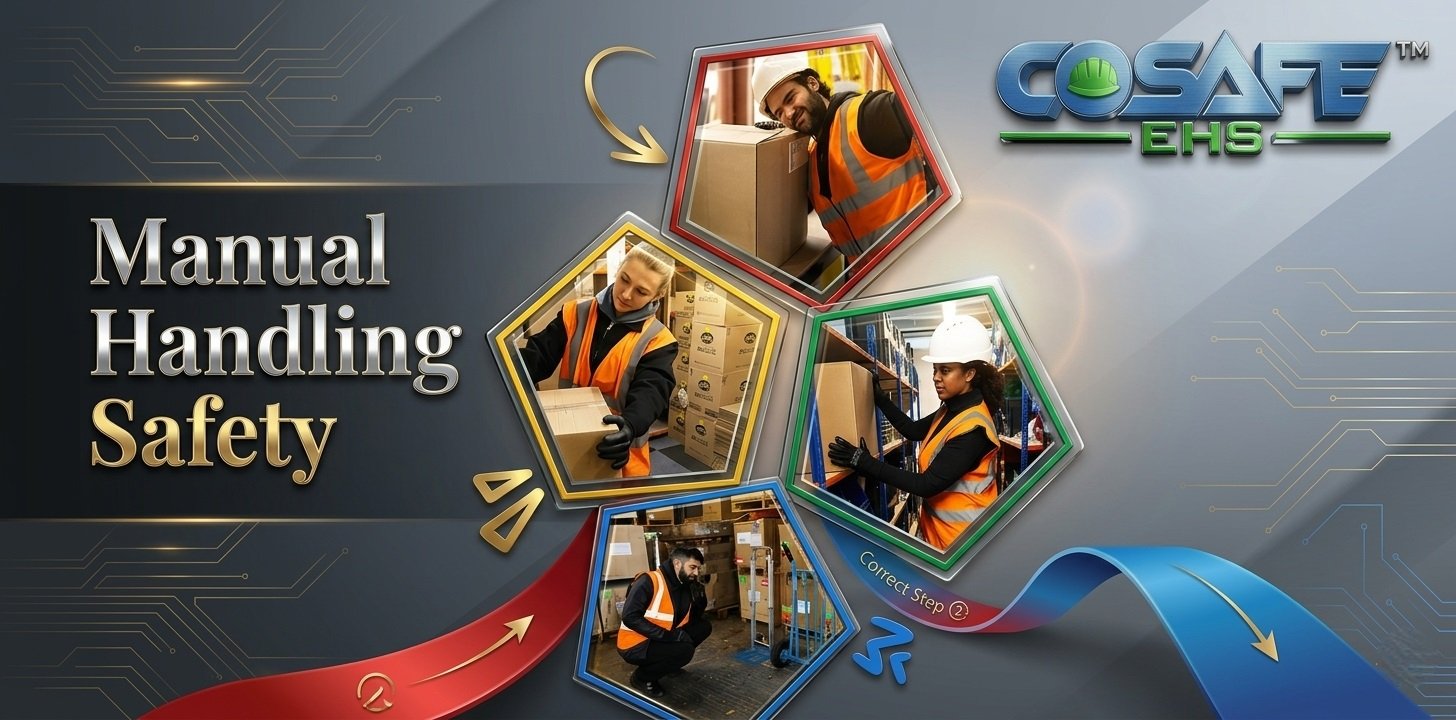
Manual handling is a daily activity in almost every industry—lifting, carrying, pushing, pulling, holding, or moving materials. When these tasks are done incorrectly, they can lead to serious injuries, especially to the back, shoulders, neck, and joints. Our Manual Handling Safety Training is designed to help employees understand risks, learn correct techniques, and apply safe practices at work. This training focuses on injury prevention, legal compliance, and practical safety skills, making it essential for both workers and employers. Conclusion Manual handling safety is not optional—it is essential for protecting workers, improving productivity, and ensuring compliance. Our Manual Handling Safety Training equips employees with the knowledge and confidence to perform tasks safely, every day. Lift Smart. Work Safe. Stay Healthy.
Training Modules
Manual Handling Safety Importance
Manual handling injuries are among the top causes of workplace accidents worldwide. Many of these injuries are preventable with the right training.
Back pain and musculoskeletal disorders develop due to poor lifting posture
Repetitive tasks increase the risk of long-term injuries
Unsafe manual handling causes lost workdays and high medical costs
Employees often lift beyond their physical capability
Lack of awareness leads to unsafe shortcuts
Employers are legally required to ensure safe handling practices
Training reduces accidents, compensation claims, and downtime
Our course is designed in a step-by-step manner for easy understanding:Manual Handling Training Covers
1. Fundamentals of Manual Handling
What is manual handling?
Types of manual handling activities
Common myths and unsafe practices
2. Anatomy & Injury Mechanism
Structure of the spine
How improper lifting damages muscles and discs
Early warning signs of injury
3. Risk Assessment & Planning
Assessing load weight, size, and stability
Understanding individual capability
Evaluating the work environment
Planning the safest lifting method
4. Correct Manual Handling Techniques
Safe lifting and lowering techniques
Carrying loads correctly
Pushing vs pulling – best practices
Handling loads at different heights
Team lifting coordination
5. Use of Mechanical Aids
Trolleys, pallet trucks, hoists, conveyors
When to use lifting aids
Safe operation and limitations
6. Ergonomics & Workplace Design
Proper posture at workstations
Reducing repetitive strain injuries
Importance of rest breaks and task rotation
7. Do’s & Don’ts of Manual Handling
Common mistakes to avoid
Unsafe lifting postures
Real accident examples and lessons learned
Training Methodology
Our training methodology ensures maximum learning and participation Our training content is aligned with recognized Indian safety standards National Building Code (NBC): Workplace safety guidelinesTraining Methodology
Interactive classroom sessions
Practical demonstrations with live examples
Hands-on practice of lifting techniques
Real workplace case studies
Videos and visual presentations
Group discussions and Q&A sessions
Pre & post training assessments
Certificate of participation
Legal Methodology
IS 15298 (Parts 1–5): Ergonomics principles for work systems
IS 3786: Safety code for material handling and storage
IS/ISO 45001: Occupational Health & Safety Management Systems
Factories Act, 1948: Health and safety provisions
Contract Labour Act: Employer responsibility for worker safety